Precision Metal Machining Process
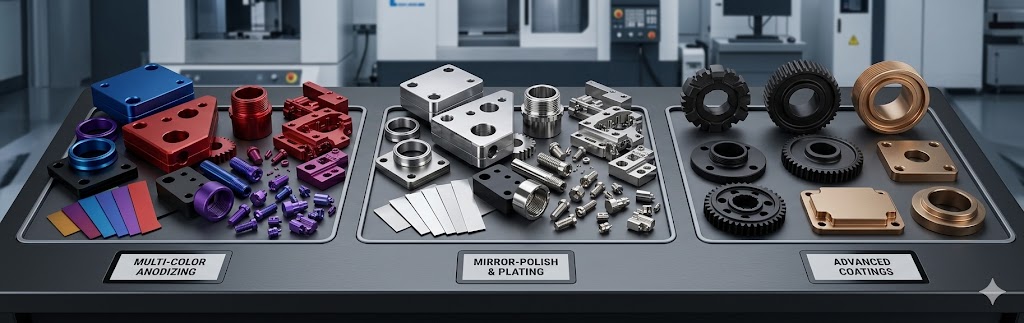
In the modern manufacturing landscape, metal machining stands as the backbone of industrial progress. From aerospace components to medical devices, the ability to transform raw metal into intricate, high-precision parts is what defines engineering excellence.
What is Metal Machining?
At its core, metal machining is a subtractive manufacturing process. It involves using specialized cutting tools to remove unwanted material from a metal workpiece to achieve a desired shape, size, or finish. Unlike casting or forging, machining offers unparalleled dimensional accuracy and surface integrity.
Key Types of Machining Processes
To optimize your production line, understanding the different categories of metal machining is essential:
1. CNC Milling and Turning
CNC (Computer Numerical Control) machining has revolutionized the industry. Milling uses rotating tools to remove material, while turning rotates the workpiece against a stationary blade. Both are vital for creating complex geometries with tight tolerances.
2. Electrical Discharge Machining (EDM)
For extremely hard metals that defy traditional cutting, EDM uses electrical sparks to erode material. This is the go-to method for creating intricate molds and dies.
3. Laser and Waterjet Cutting
These non-contact methods are perfect for sheet metal fabrication. Laser cutting offers speed and precision, while waterjet cutting is ideal for materials sensitive to high temperatures.
Choosing the Right Material
The success of any metal machining project depends heavily on material selection. Common metals include:
-
Aluminum: Lightweight and easy to machine, perfect for aerospace.
-
Stainless Steel: Known for corrosion resistance but requires rigid setups.
-
Titanium: High strength-to-weight ratio, demanding specialized tooling.
Why Precision Matters for SEO and Business
In a global market, “good enough” is no longer an option. Precision machining ensures that every part fits perfectly within an assembly, reducing waste and increasing the lifespan of the final product. For B2B buyers, partnering with a supplier that prioritizes quality control and advanced CNC technology is the key to maintaining a competitive edge.
Originally posted 2026-05-06 17:08:04.